9 Social Media Tips to Reach More People Searching for Neurofeedback Treatment in 2026
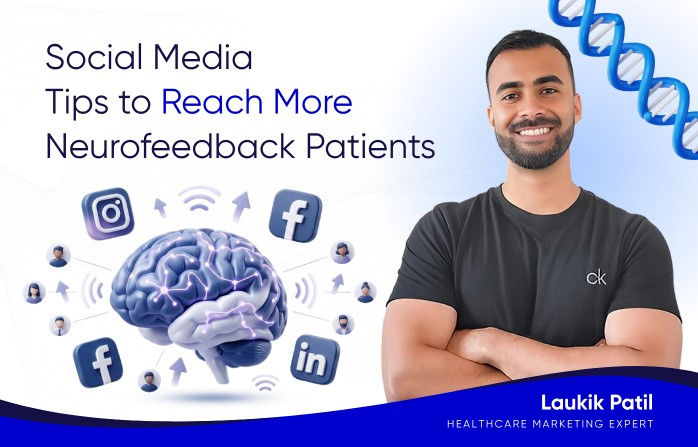
Social media can help neurofeedback clinics reach more people searching for neurofeedback treatment by sharing educational content, answering common patient questions, and building trust before the first appointment. The most effective social media strategies focus on patient education, local visibility, and consistent engagement rather than promotional content alone.
In 2026, patients often discover healthcare providers through a combination of Google searches, social media platforms, online reviews, and AI-powered search experiences. A well-planned social media strategy helps neurofeedback providers increase visibility, strengthen credibility, and stay connected with potential patients throughout their decision-making journey.
Why Does Social Media Matter for Neurofeedback Clinics?
Social media plays a critical role in how modern patients research, evaluate, and trust neurofeedback providers. It supports visibility during the research phase before patients ever click "book now."
Social media helps by:
Reinforcing credibility through education
Supporting branded and non-branded search behavior
Increasing engagement signals that influence SEO
Retargeting patients already searching for care
When combined with social media marketing for neurofeedback, platforms become discovery engines rather than distractions.
Want social media that actually brings patients to your clinic? Learn how search-driven social media supports real patient discovery, not just likes. Book Now! |
How Do Social Media Tips Help People Actively Searching for Neurofeedback?
People searching for neurofeedback treatment are often already aware of their symptoms but unsure where to go. Social media helps bridge that gap.
Effective social media strategies:
Answer common pre-search and post-search questions
Reinforce expertise after someone visits your website
Keep your clinic top-of-mind during decision-making
Build trust before first contact
This aligns with how AI Overviews and LLM-based search systems evaluate brand authority.
Which Social Media Platforms Work Best for Neurofeedback Clinics?

Not all platforms perform equally for healthcare professionals. The goal is relevance, not reach.
What Platforms Should Neurofeedback Providers Prioritize?
Each platform plays a different role in the patient journey.
High-impact platforms include:
Google Business Profile posts for local intent
LinkedIn for professional credibility and referrals
Instagram for educational short-form content
Facebook for community trust and retargeting
The right mix supports local SEO strategies and strengthens brand recall.
What Type of Content Attracts Neurofeedback Searchers?
Content should align with how people think, search, and decide, not just what the clinic wants to promote.
What Questions Should Social Media Content Answer?
Educational Q&A-style content performs best for neurofeedback.
High-performing content topics include:
"How does neurofeedback work?"
"Who is neurofeedback best for?"
"Is neurofeedback evidence-based?"
"What should I expect from my first session?"
This content also supports optimizing website goals by preparing users for conversion.
Not sure what to post for neurofeedback? See how educational, question-based content helps patients trust your clinic before they ever book. Contact LxP Digtal! |
How Can Social Media Be Optimized for AI Overview & AEO?
AI-driven search systems prioritize clarity, authority, and consistency across platforms.
How Should Posts Be Structured for LLM Visibility?
Search engines increasingly analyze social content as context signals.
Best practices include:
Clear, educational language (not promotional hype)
Short question-based captions
Consistent terminology across posts and the website
Authoritative tone supported by credentials
This reinforces your expertise across search, social, and AI-generated results.
How Often Should Neurofeedback Clinics Post on Social Media?

Consistency matters more than volume, especially in healthcare marketing.
What Is a Sustainable Posting Schedule?
Clinics should focus on quality and intent alignment.
Recommended cadence:
2–3 educational posts per week
1 authority-building post (case study, research insight)
1 engagement post (FAQ, myth vs fact, carousel)
This supports long-term growth without overwhelming staff.
How Does Social Media Support Local SEO for Neurofeedback?
Social media activity strengthens local relevance signals for Google and AI systems.
What Local Signals Should Clinics Emphasize?
Geo-specific consistency is critical.
Key local optimization tips:
Use city and service keywords naturally
Share location-based success stories
Encourage reviews and reshare testimonials
Sync messaging with Google Business Profile
This reinforces visibility for patients searching "neurofeedback near me."
Trying to rank for neurofeedback in your city? Discover how social media strengthens Local SEO and supports "near me" searches. Book your appointment now! |
How Should Clinics Talk About Results Without Making Claims?
Healthcare marketing must remain ethical and compliant.
What Language Builds Trust Without Violating Guidelines?
Educational framing is key.
Safe and effective approaches include:
Explaining mechanisms instead of outcomes
Sharing research summaries, not promises
Using "may help" and "often used for" language
Highlighting individualized care
This approach protects credibility and compliance.
How Can Social Media Support Google Ads and Website Optimization?

Social media does not replace paid ads or SEO; it strengthens them.
How Do These Channels Work Together?
Integrated digital strategies convert better.
Cross-channel benefits include:
Retargeting visitors from Google Ads
Reinforcing trust after website visits
Increasing branded search volume
Improving time-on-site and engagement metrics
This is why Google Ads strategies perform better when supported by social media.
What Metrics Actually Matter for Neurofeedback Social Media?
Vanity metrics don't drive clinic growth; intent does.
Which KPIs Should Healthcare Professionals Track?
Focus on signals that correlate with patient acquisition.
Meaningful metrics include:
Profile visits from search
Website clicks
Saved posts and shares
Direct messages and inquiries
These metrics reflect real-world intent.
How Can Neurofeedback Clinics Build Authority Over Time?
Authority is built through repetition, clarity, and consistency, not trends.
What Builds Long-Term Trust?
Sustainable authority compounds.
Effective authority-building strategies:
Consistent educational themes
Clinician-led content
Research-backed posts
Alignment between social, website, and SEO messaging
This positions your clinic as the trusted choice, not just another option.
How Does LxP Digital Approach Social Media for Neurofeedback Clinics?
LxP Digital focuses on strategy, not surface-level posting.
Our approach includes:
Search-intent-driven content planning
Integration with SEO and Local SEO Strategies
Ethical healthcare messaging frameworks
Performance-focused analytics
We design social media marketing for neurofeedback to support real patient growth, not algorithm chasing.
Ready to turn social media into a real growth channel? Talk to LxP Digital about building a search-aligned social strategy for neurofeedback clinics. |
Key Takeaways: Social Media Tips for Neurofeedback Providers
Social media can reach people already searching for neurofeedback
Educational, question-based content performs best
Consistency and clarity matter more than frequency
Social media strengthens SEO, ads, and website conversions
Integrated strategy drives sustainable clinic growth
When used strategically, social media becomes a patient education and acquisition engine, not just a marketing channel.
FAQs: Social Media Tips for Neurofeedback Clinics
Can social media really help people find my neurofeedback clinic?
Yes. When posts answer real questions and use clear, educational language, social media helps people researching neurofeedback notice, trust, and remember your clinic.
Do I need to post every day for social media to work?
No. Posting 2–3 helpful, educational posts per week is enough if the content is consistent, clear, and aligned with what patients are searching for.
What kind of posts work best for neurofeedback clinics?
Simple educational posts work best. For example, explaining how social media tips, neurofeedback works, who it may help, and what a first session looks like.
Is social media more important than SEO or Google Ads?
No. Social media works best when it supports SEO, Google Ads, and an optimized website. Together, they build trust and increase conversions.
Conclusion: Turning Social Media Into a Growth Channel for Neurofeedback
Social media is no longer just about visibility for neurofeedback clinics; it plays a direct role in patient discovery, trust, and decision-making. When the right social media tips are used, platforms support search behavior, strengthen SEO signals, and reinforce credibility after website visits. With a clear, educational, and ethical approach, social media becomes a powerful extension of your digital growth strategy rather than a standalone marketing task.
Build a Search-Driven Social Media Strategy for Your Neurofeedback Clinic
If you want social media that actually supports patient growth, not just engagement, LxP Digital can help. Our strategies align social content with SEO, Google Ads, and website optimization to attract high-intent patients searching for neurofeedback treatment. Let's turn your social presence into a measurable growth channel.

Laukik Patil
Healthcare Digital Marketing Strategist
A results-driven healthcare digital marketing strategist helping clinics and healthcare brands grow their online presence. He specializes in SEO, local search optimization, content strategy, and data-driven marketing to increase visibility, attract qualified leads, and support sustainable business growth.